Mastering the Marathon: Advanced Stamina Management in Game of Innings
Maximizing your team's performance over a full nine-inning game in 'Game of Innings' requires more than just raw skill; it demands strategic stamina management. This guide dives deep into advanced tactics to keep your players at their peak from the first pitch to the final out.
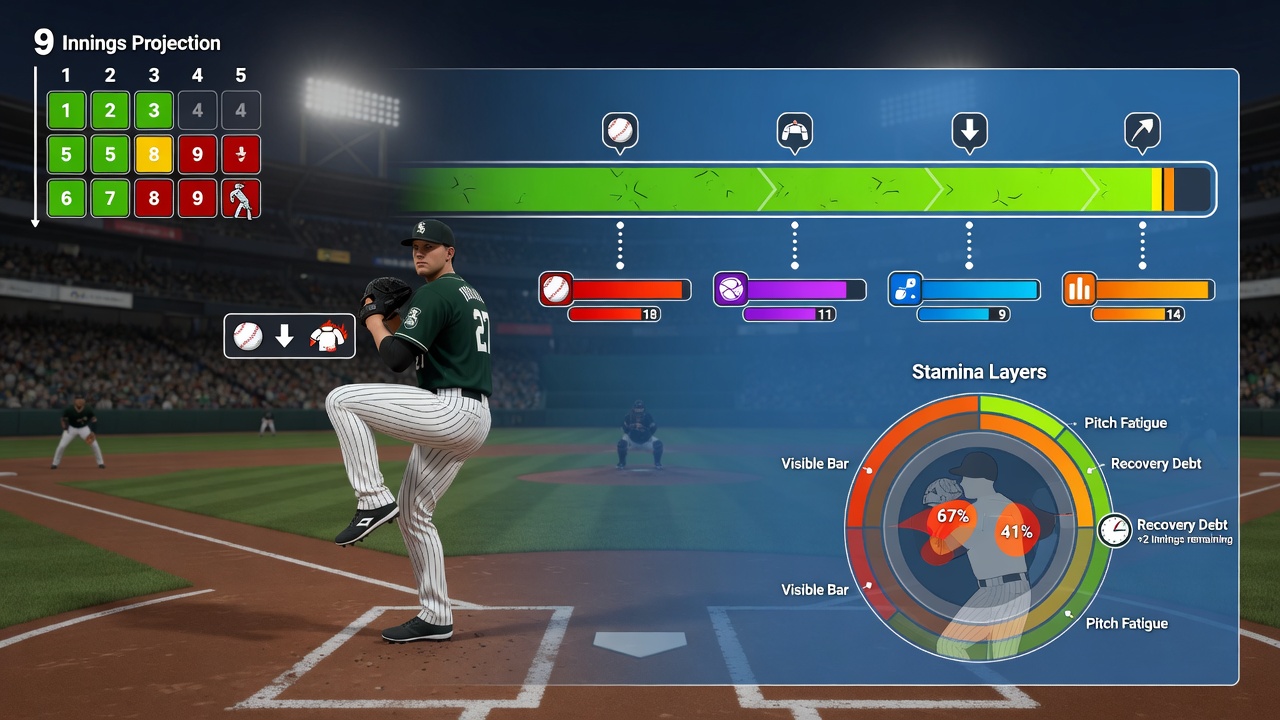
In 'Game of Innings', player stamina is a critical, often underestimated, resource that dictates long-term success, especially in full nine-inning contests. For pitchers, the visible stamina bar is just the tip of the iceberg. Each pitch type carries a different stamina cost, with power pitches (fastballs, sliders) draining more rapidly than finesse pitches (changeups, curves). Beyond pitch count, pay close attention to the 'effectiveness' indicator; a pitcher might still have stamina, but their pitches are becoming less effective, signaling a hidden fatigue penalty that affects velocity, break, and control.
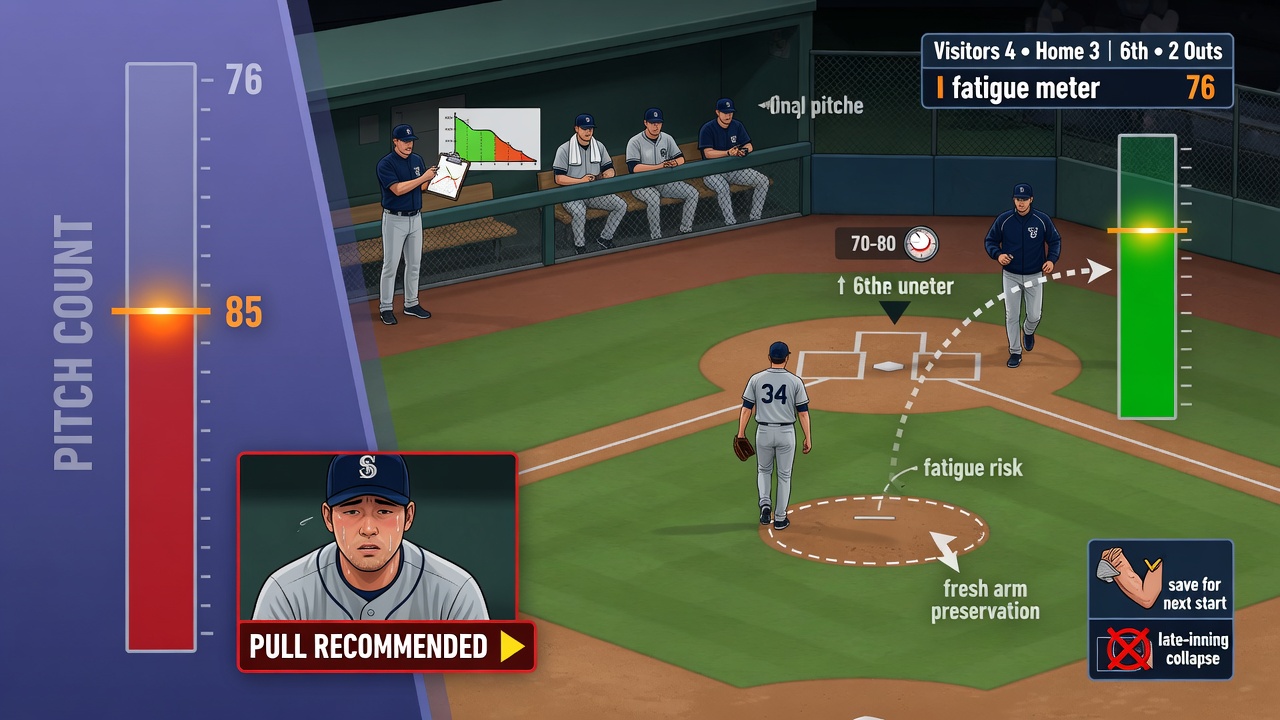
Strategic bullpen deployment is paramount. Don't wait until your starting pitcher is in the red. Experienced players anticipate fatigue, often pulling a starter after 70-80 pitches, even if they're still performing well, to preserve their arm for future games and prevent a late-inning collapse. Utilize your long relievers and setup men as bridge pitchers, effectively shortening the game for your closer. Match your relievers to specific batter types: bring in a left-handed specialist for a tough lefty slugger, or a groundball pitcher to induce a double play in a critical situation, conserving your closer's arm for save opportunities.
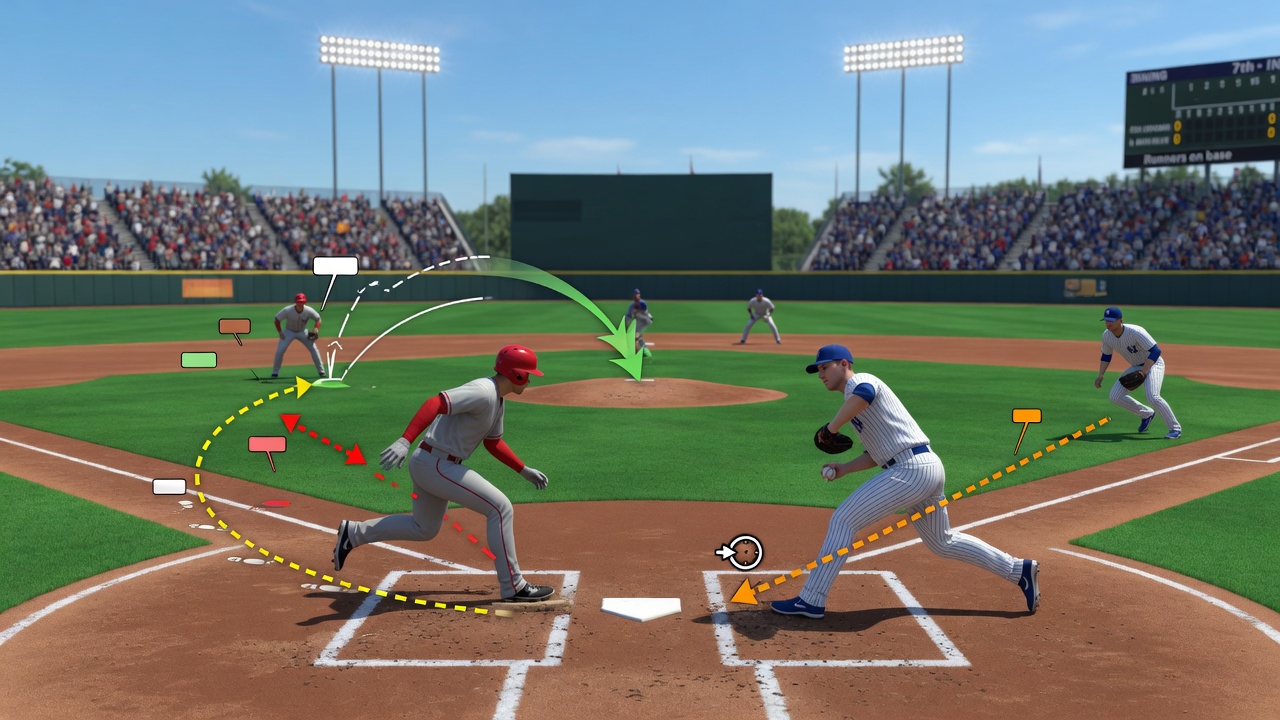
Catcher stamina is another often-overlooked factor. A fatigued catcher will struggle with pitch framing, leading to fewer borderline strike calls. Their ability to block wild pitches and throw out base runners also significantly diminishes. In a tight game, especially if your starting catcher has been running the bases or blocking many pitches, consider a defensive substitution in the late innings. Bringing in a fresh, high-defense catcher can prevent crucial passed balls and stolen bases that could turn the tide of the game.
Positional player fatigue extends beyond the mound and behind the plate. Over the course of a long game, fielders and hitters also experience stamina drain, which can manifest as reduced hitting power, lower contact rates, and an increased chance of fielding errors. While less dramatic than a pitcher's decline, these subtle shifts can accumulate. Smart managers will use their bench for strategic pinch-hitting against favorable matchups or bring in a defensive specialist in the 8th or 9th inning to secure a lead, giving a tired starter a rest and improving overall defensive integrity.
Finally, roster construction and long-term training play a significant role in stamina management. Prioritize players with higher natural stamina ratings, especially for your starting rotation and key everyday position players. In your training regimen, allocate resources to improve 'Endurance' for pitchers and 'Conditioning' for position players. A deep bench with versatile players who can fill multiple roles allows you more flexibility to rotate players, rest starters, and maintain peak performance across a demanding schedule, not just a single game.
Reviews (2)
DiamondStrategist
This guide on advanced stamina management is exactly what I needed to step up my Game of Innings strategy. The emphasis on knowing when to strategically rest your bullpen arms before they hit critical fatigue levels has completely changed my late-game performance. My team is definitely finishing stronger now.
DiamondDust
This guide on stamina management is a game-changer! I always struggled with my pitchers getting gassed by the 7th inning, but these tips actually helped me keep them fresh. Definitely boosted my late-game performance, thanks!