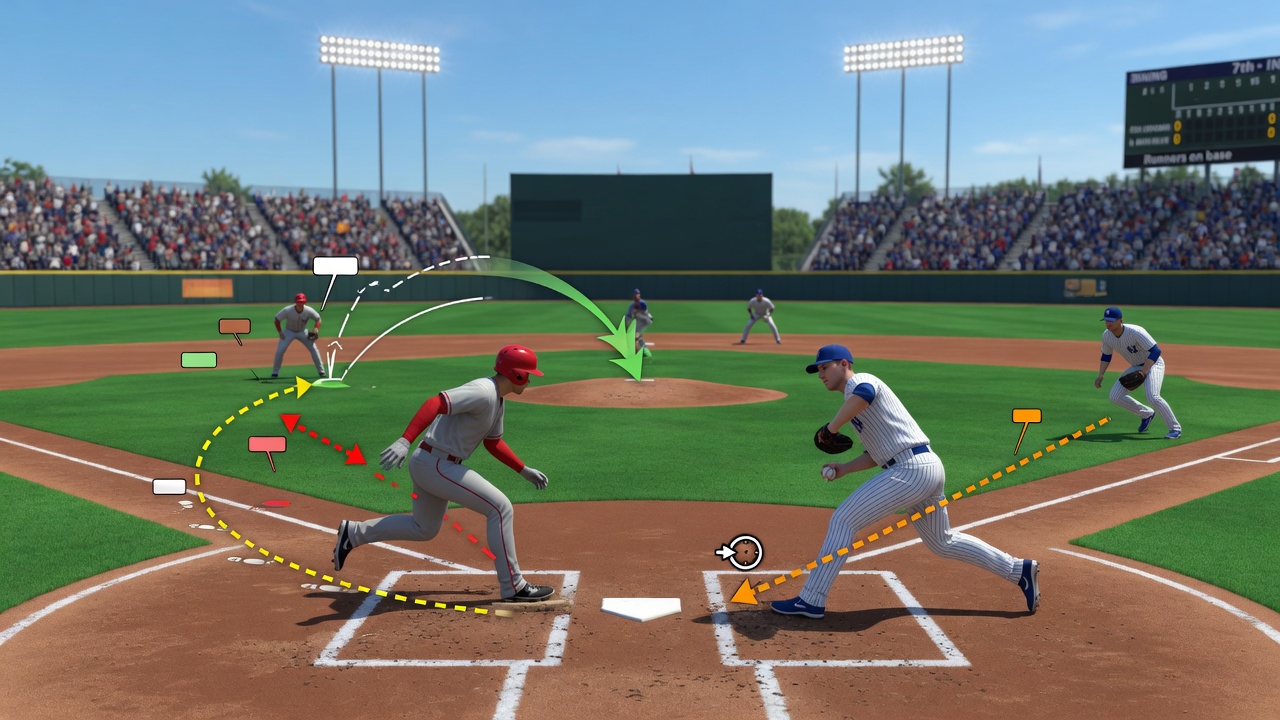
The Chalk Line Challenge: Fair vs. Foul Balls in Game of Innings
Understanding the difference between fair and foul balls is crucial for every at-bat in Game of Innings. This guide breaks down these fundamental rules and how they directly impact your plate appearances, helping you strategize better.
In Game of Innings, every swing of the bat is a moment of truth, often decided by mere inches. The distinction between a fair ball and a foul ball is one of baseball's most fundamental rules, directly influencing the outcome of your at-bats and overall game strategy. Mastering this concept is key to becoming a more effective hitter and understanding why an umpire's call can change the tide of a game.
A fair ball is any batted ball that lands or is touched in fair territory. This includes balls that land in the infield between home and first or home and third base, or beyond those bases. It also encompasses balls that touch first, second, or third base, or fly over the outfield fence between the foul poles. When you hit a fair ball, it’s live; fielders must make a play, and you have the chance to get on base or drive in runs. This is your primary goal as a batter – to put the ball in play fairly.
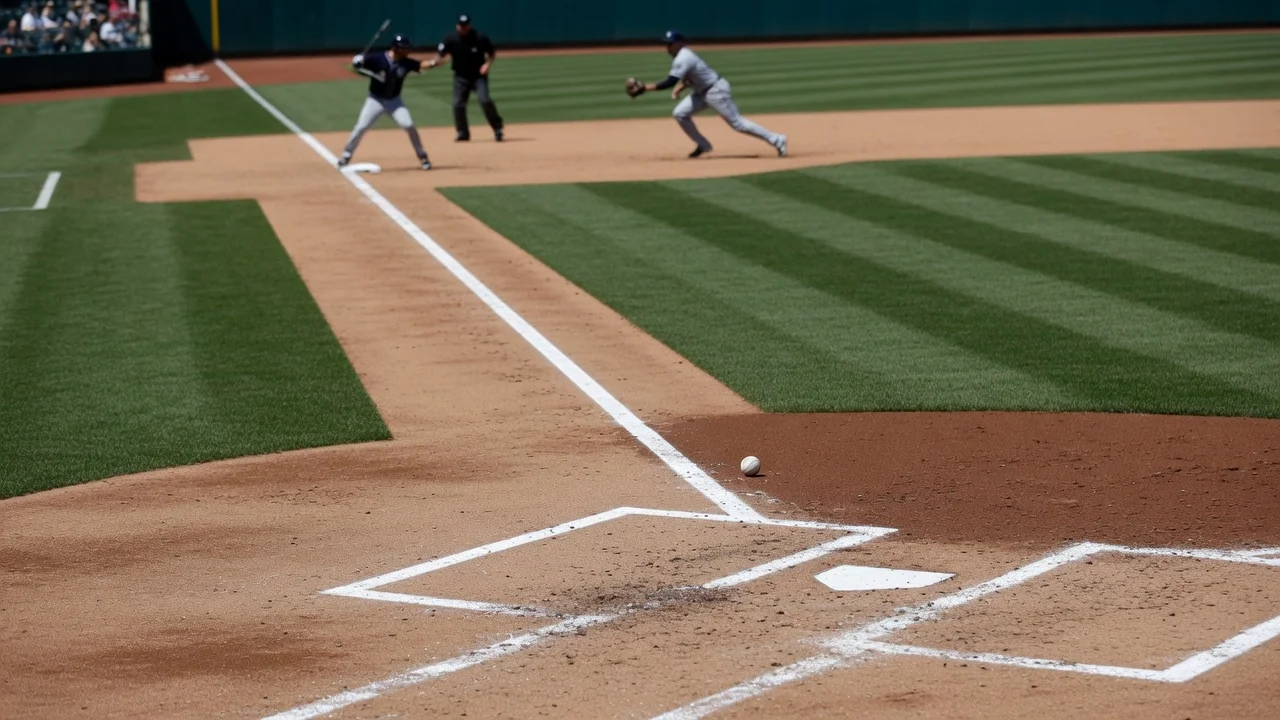
Conversely, a foul ball is any batted ball that lands or is touched in foul territory. This includes balls that land outside the lines before reaching first or third base, or balls that go out of play beyond those bases but outside the foul poles. For the batter, a foul ball counts as a strike, but only up to two strikes. If you hit a foul ball with two strikes already against you, it does not count as a third strike; you get to swing again. This "foul-off" ability is a critical lifeline for batters to stay alive in an at-bat.
An important nuance is the "foul tip." A foul tip is a batted ball that goes sharp and direct from the bat to the catcher's hand or glove and is legally caught. If caught, it's always a strike, and if it's the third strike, the batter is out. However, if the catcher drops the foul tip, it's just a foul ball. This distinction is vital, especially with two strikes, as a caught foul tip ends the at-bat immediately, while a dropped one extends it.
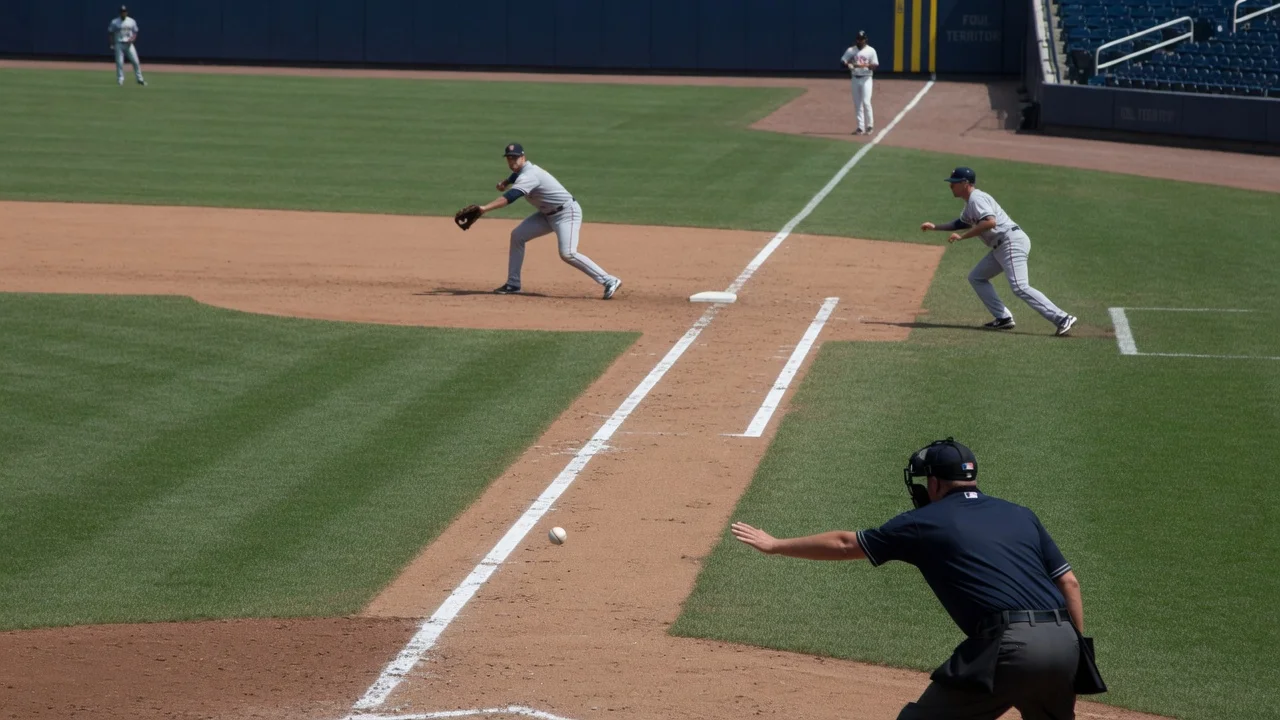
To leverage this knowledge in Game of Innings, focus on pitch selection. When you have fewer than two strikes, don't be afraid to foul off pitches that are borderline or not ideal for solid contact, especially if you're protecting the plate. With two strikes, foul balls become your best friend, allowing you to see more pitches and wait for one you can drive fairly. Conversely, if you're a pitcher, understanding when a batter might be trying to foul off pitches can influence your strategy for the next pitch.
Pay close attention to the lines on the field and the umpire's call in-game. Sometimes, it can be a very close call whether a ball lands fair or foul. The game's visual cues and umpire animations will clearly indicate the ruling. Use this feedback to refine your understanding of where your hits are landing, helping you adjust your swing plane and contact point in future at-bats to maximize your chances of hitting fair balls.
Reviews (0)
No reviews yet. Be the first to share your feedback.