Game of Innings: Extra Innings & Tiebreaker Rules Explained
Don't let a tied game catch you off guard! This guide breaks down everything you need to know about extra innings and tiebreaker rules in Game of Innings, ensuring you're ready for those nail-biting finishes.
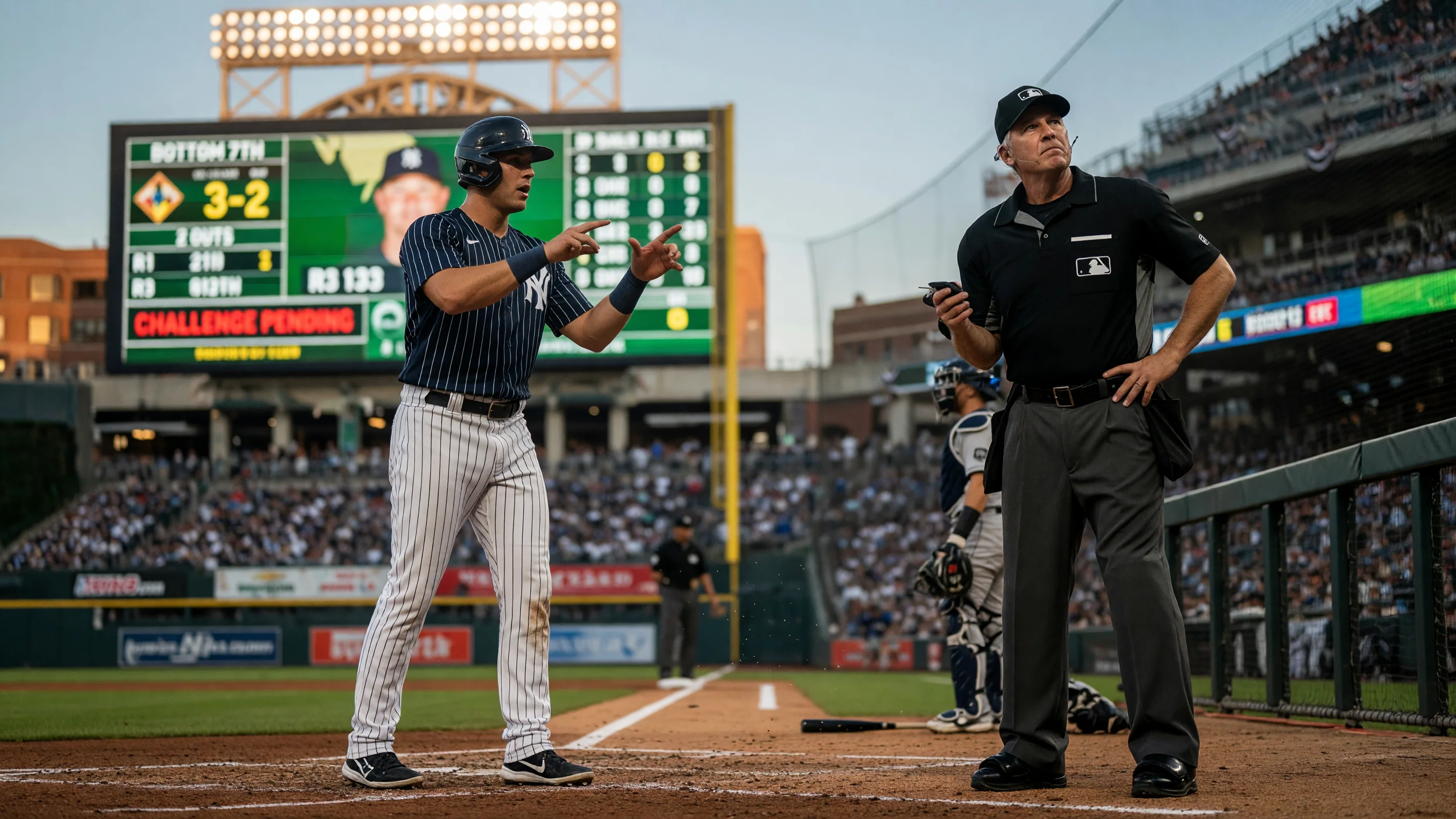
In Game of Innings, a baseball game typically concludes after nine full innings. However, if the score is tied at the end of the ninth, the game enters extra innings. The fundamental rule remains the same: play continues inning by inning until one team holds a lead after a completed inning. This means both teams must get an opportunity to bat in that decisive inning. The standard inning structure, with a top half for the visiting team and a bottom half for the home team, persists throughout extra innings.
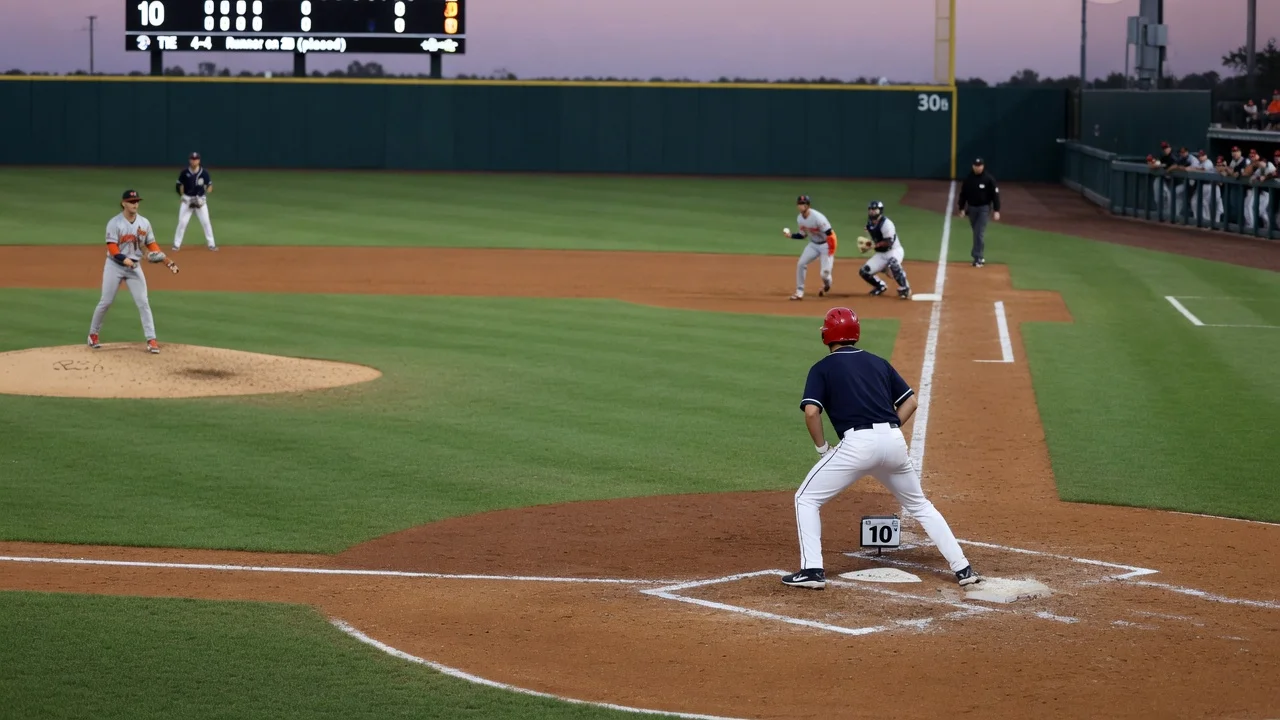
To speed up gameplay and encourage decisive outcomes, Game of Innings implements the common tiebreaker rule starting from the 10th inning: a runner is automatically placed on second base at the beginning of both the top and bottom halves of the inning. This runner is typically the player who made the last out in the previous inning, though in Game of Innings, it's often a pre-determined or highest-rated player from your lineup for simplicity. This rule immediately puts a runner in scoring position, drastically changing offensive and defensive strategies.
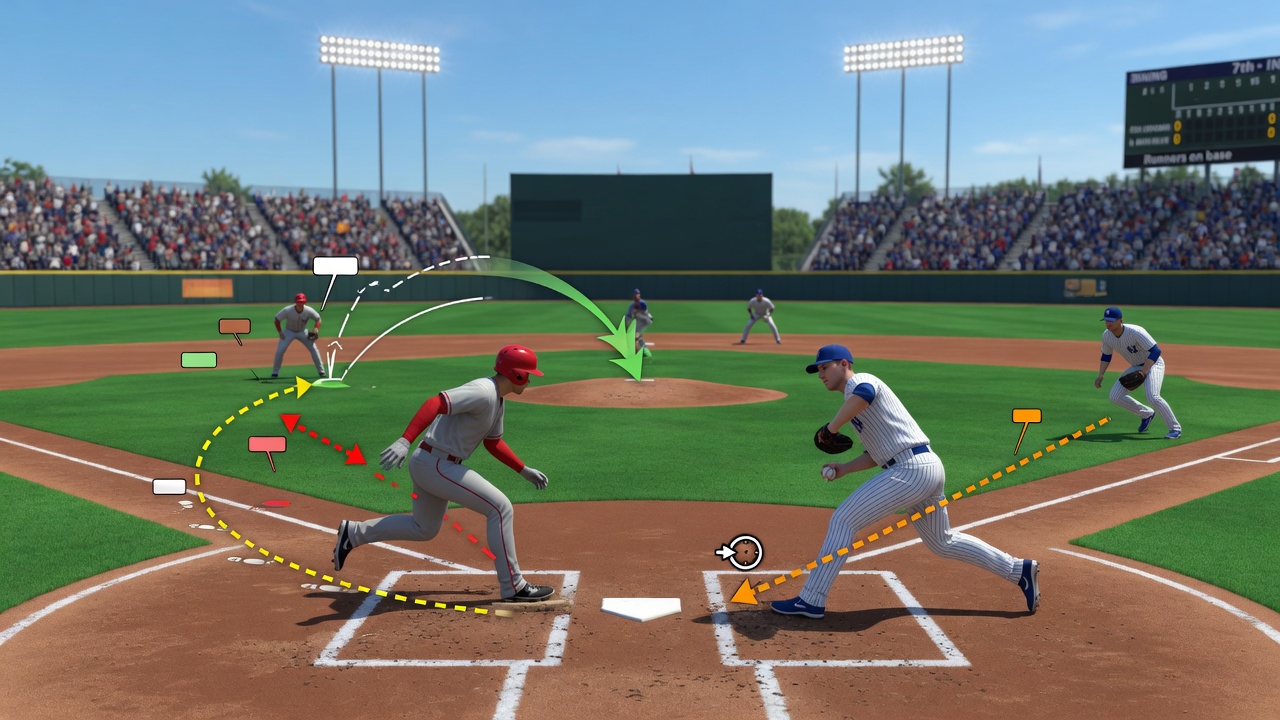
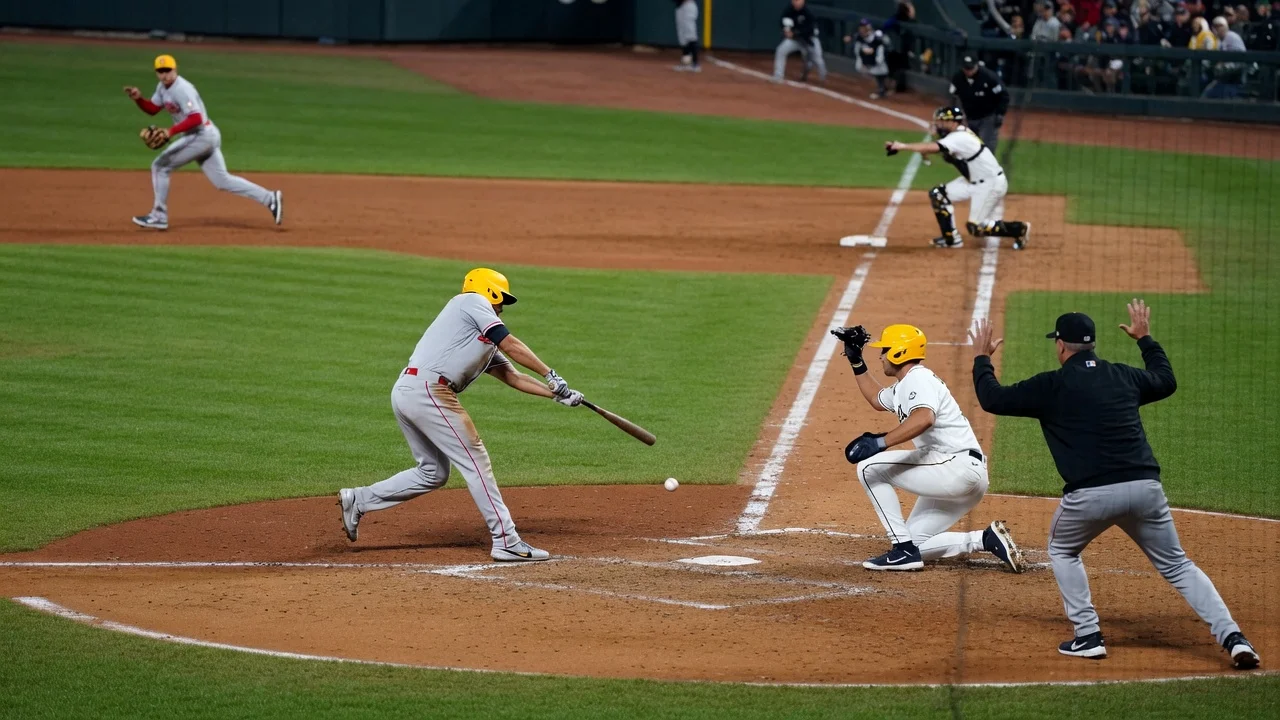
Offensively, with a runner already on second, your focus shifts to small ball and situational hitting. Consider bunts to advance the runner to third, sacrifice flies to score them, or simply making contact to put the ball in play. Aggressive base running becomes more viable, but also riskier. Look for opportunities to hit line drives or ground balls through the infield to bring that runner home. Don't be afraid to use your pinch-hitters or speedsters strategically if you have them available in your roster.
Defensively, the pressure is on to prevent that runner from scoring. Your pitching strategy might lean towards inducing ground balls for double plays, or aiming for strikeouts to minimize contact. Be mindful of intentional walks to set up force outs, but also understand the risk of loading the bases. Pay close attention to your infield positioning and be ready for potential bunts or stolen base attempts. Every out is critical, especially the first two, to strand the runner at second or third.
It's important to clarify a common misunderstanding: while the runner on second counts towards the game's score, they generally do not count as an earned run against the pitcher's ERA if they score without the pitcher being responsible for putting them on base. However, for the immediate game outcome, their scoring is paramount. Also, be aware that pitcher fatigue often plays a significant role in extra innings; tired pitchers might have reduced accuracy, affecting the perceived strike zone and making it harder to hit or pitch effectively. This can lead to more walks or hittable pitches, so adjust your approach accordingly.
Mastering these extra inning and tiebreaker rules is crucial for competitive play in Game of Innings. Understanding the nuances of the runner on second rule and adapting your strategy on both offense and defense can turn a potential loss into a thrilling victory. Practice these late-game scenarios to ensure you're always prepared for the tension and excitement of extra innings.
Reviews (0)
No reviews yet. Be the first to share your feedback.