Mastering Your Profile: A Deep Dive into Game of Innings Overall Rank Badges
Unlocking prestigious rank badges and showcasing your skill in Game of Innings is a core part of the competitive experience. This guide breaks down the global leaderboard, ranking formulas, and strategies to elevate your profile.
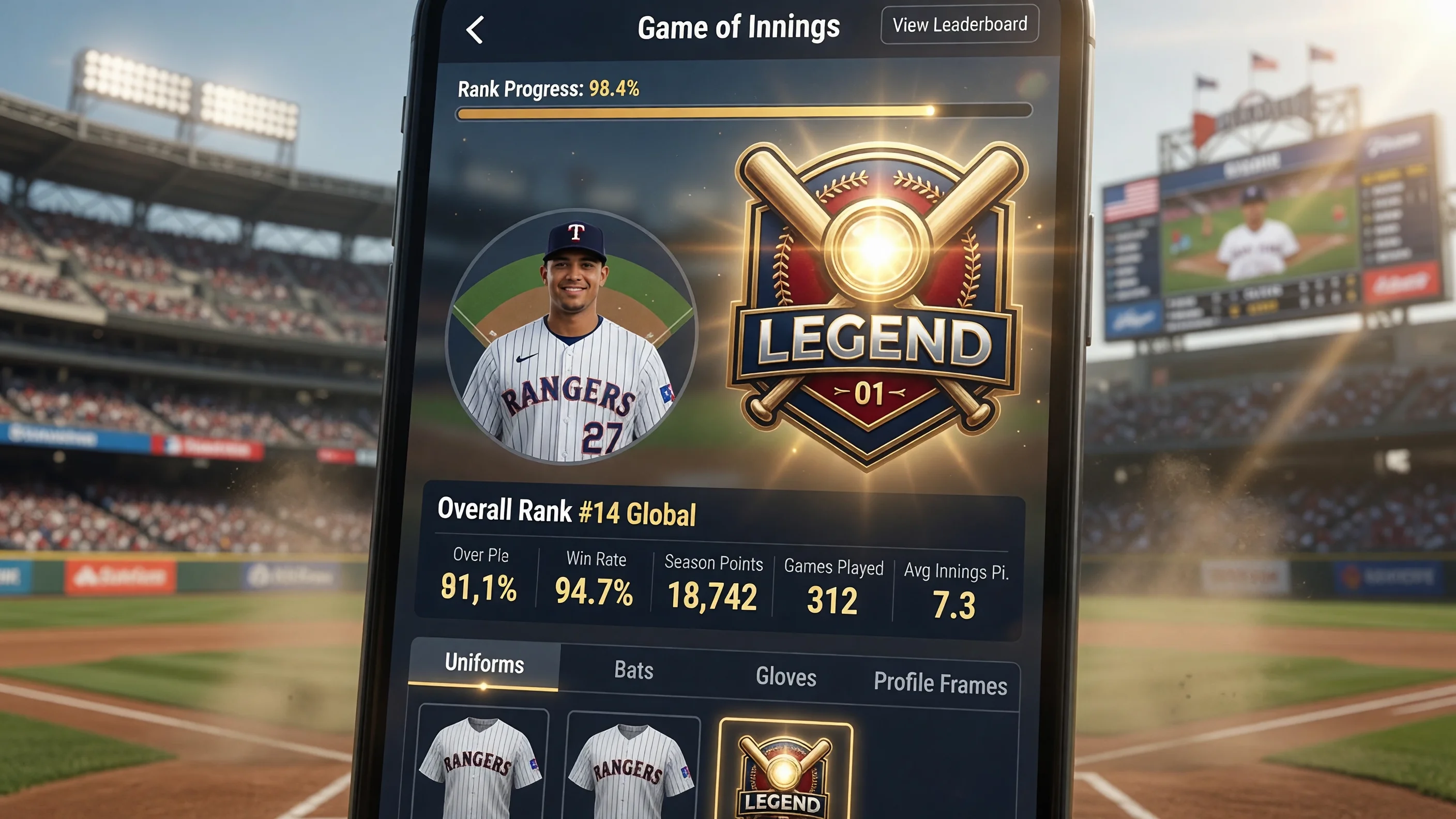
In Game of Innings, your overall rank badge isn't just a number; it's a testament to your skill and dedication, prominently displayed on your player profile for all to see. These coveted badges represent your standing on the global leaderboard, reflecting countless innings played and strategic victories. Understanding how these ranks are structured and how they impact your in-game identity is crucial for any aspiring top player.
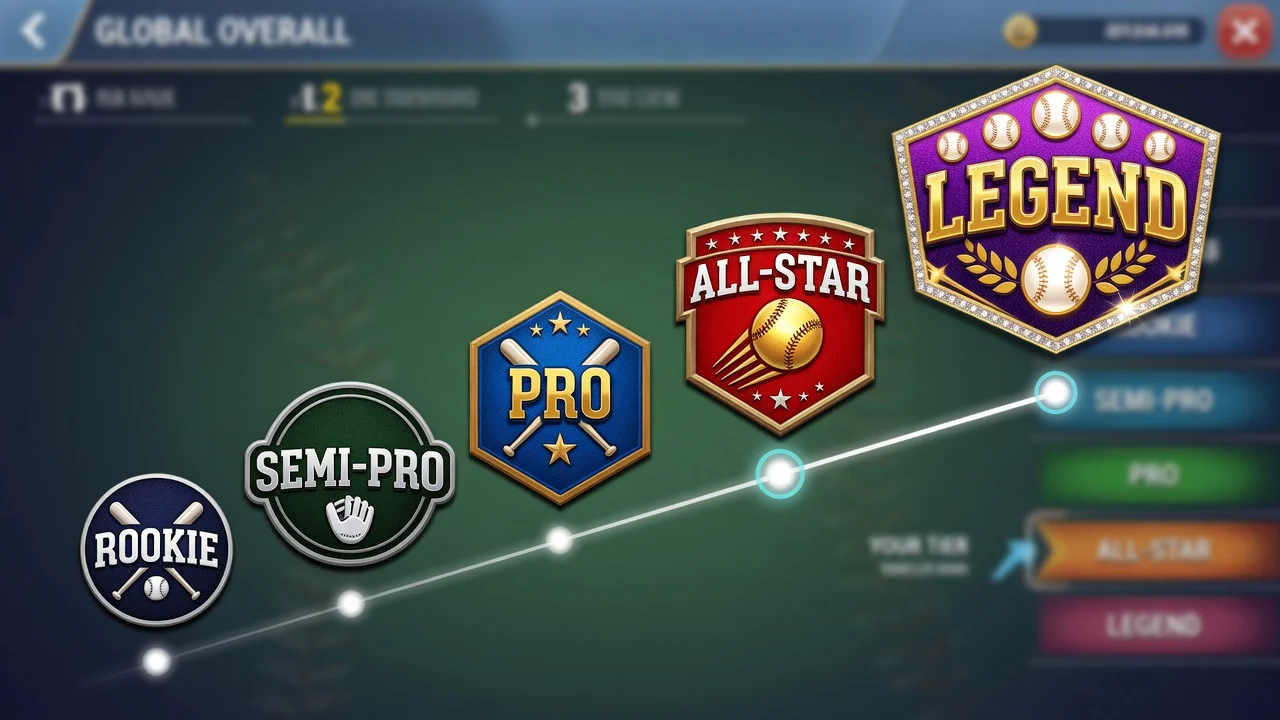
The global overall leaderboard is segmented into distinct tiers, often starting from Rookie and ascending through Semi-Pro, Pro, All-Star, and ultimately, Legend. Each tier has its own unique badge design, visually signaling your achievement. Progression between these tiers is typically based on a rating system, where wins against higher-ranked opponents grant more points, and losses against lower-ranked opponents deduct more. Your current rank badge is the first thing opponents and teammates see, setting expectations and showcasing your journey.
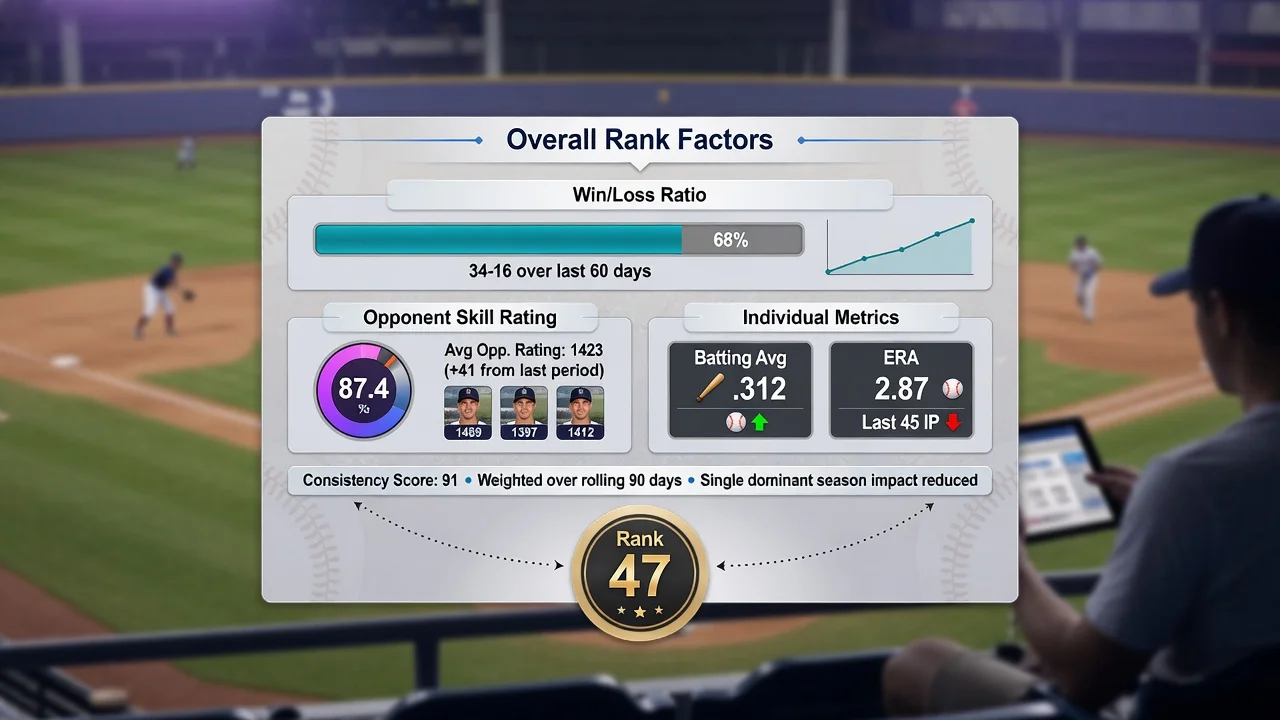
The underlying ranking formula in Game of Innings generally combines several factors: your win/loss ratio, the skill rating of your opponents, and sometimes individual performance metrics like batting average or ERA over a set period. Consistency is key; a single dominant season won't guarantee a top spot if followed by inconsistency. The system is designed to reward sustained excellence and strategic play, ensuring that only the most skilled and dedicated players earn the highest-tier badges.
For a long-term climb, focus on continuous skill development rather than chasing quick wins. Analyze your gameplay, identify weaknesses in your pitching rotation or batting lineup, and practice specific scenarios. Engaging with the game's meta, understanding current strong player cards, and adapting your strategy to counter popular tactics will provide a significant edge. Remember, incremental improvements over many games lead to substantial rating gains and, eventually, that next prestigious badge.
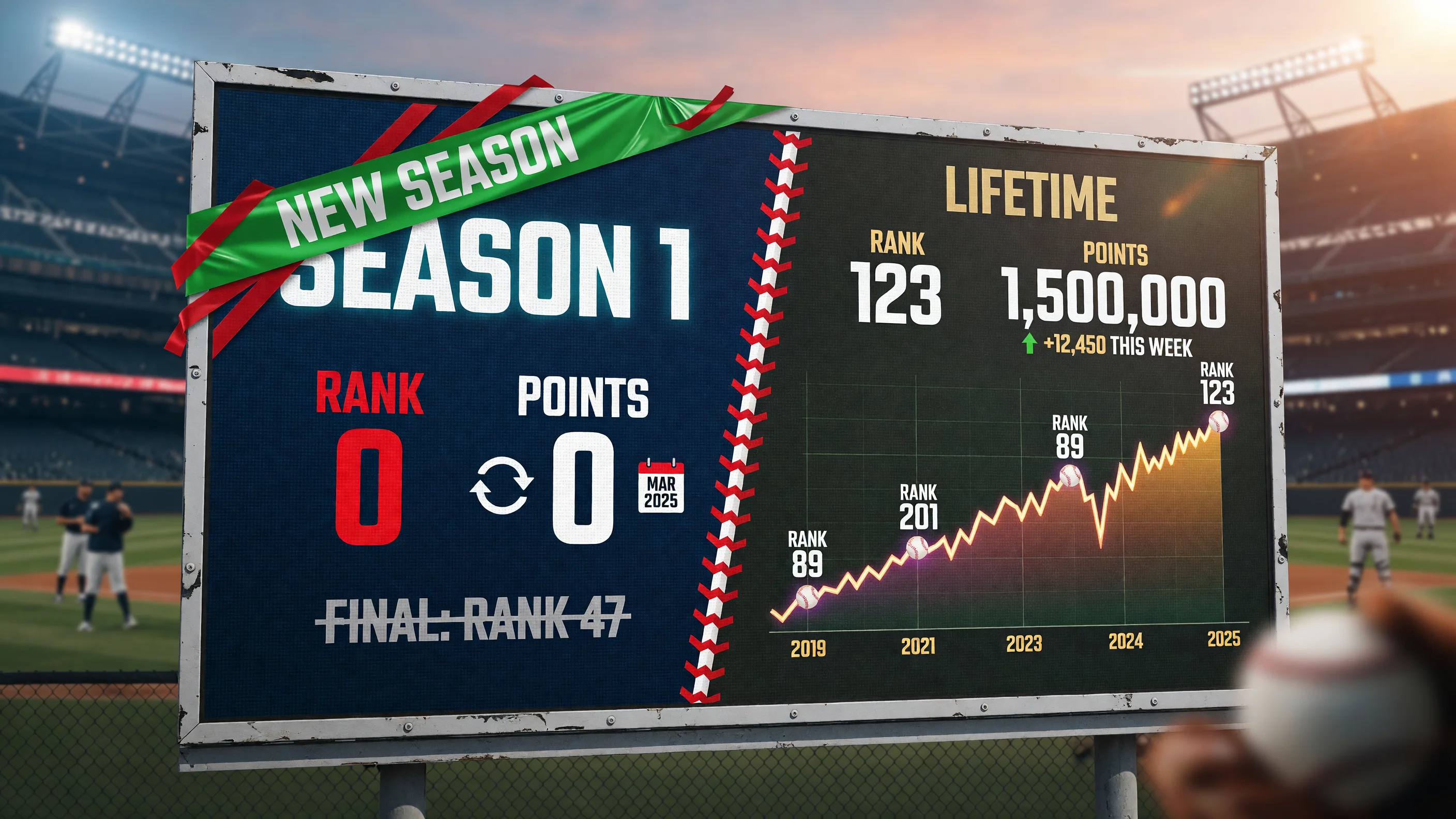
Seasonal rank trends often involve a soft reset at the end of each competitive period, allowing players to re-engage in the climb. While your previous season's performance might give you a slight head start, everyone needs to prove their worth anew. This system keeps the leaderboard dynamic and encourages active participation. Aim to achieve your highest possible rank before the season concludes to secure end-of-season rewards and a strong starting position for the next.
To optimize your profile display, make sure your highest achieved rank badge is visible. Many players also leverage their profile to display their favorite team logo or a custom banner that complements their rank, creating a cohesive and impressive presentation. Regularly check the in-game leaderboards to see where you stand and what rating you need to hit for the next tier. Setting specific rating goals can make the climb feel more manageable and rewarding.
Reviews (0)
No reviews yet. Be the first to share your feedback.